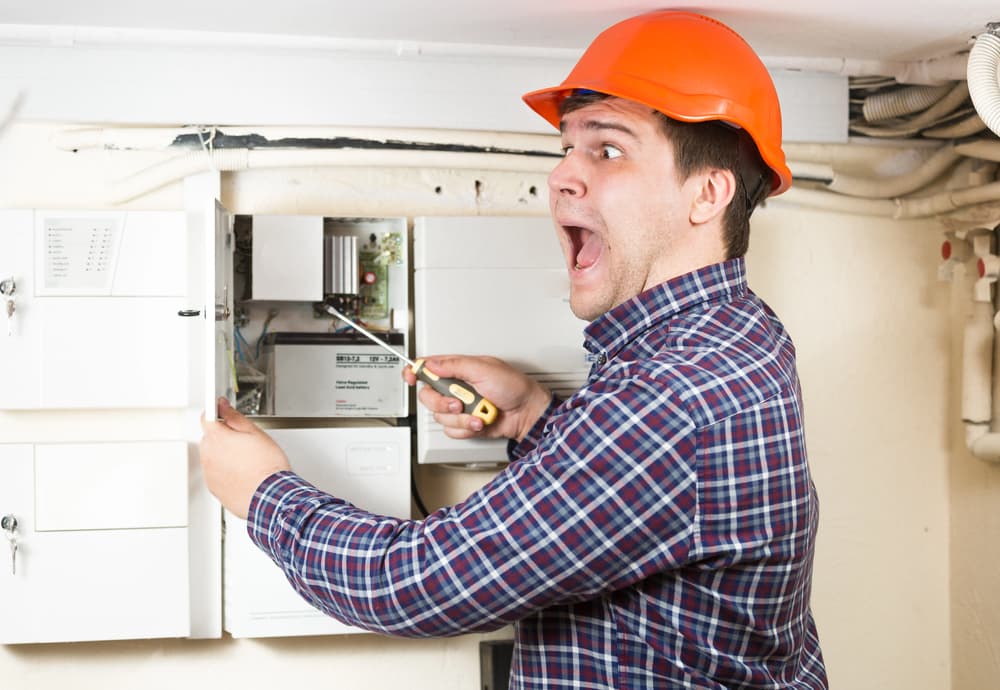
Electrical mistakes represent one of the most dangerous hazards in residential homes, potentially leading to electrocution, serious injuries, fires, and property damage. Approximately 1.2 million electrical injuries occur globally each year, with many occurring in residential settings where preventable mistakes take place. The good news is that most electrical accidents and fires are entirely avoidable through awareness, proper maintenance, and knowing when to call a professional.
The Most Common Household Electrical Mistakes
Overloading Outlets and Circuits
One of the most prevalent electrical errors homeowners commit is overloading electrical outlets by plugging too many devices into a single socket. Electrical outlets are designed to handle specific wattage limits—typically 13 amps or 3,000 watts in most residential outlets. When this capacity is exceeded, the wiring inside the outlet overheats, which can lead to melted insulation, electrical fires, and damage to connected appliances.
The mistake compounds when homeowners use extension cords or power strips as permanent solutions. Chaining multiple extension cords together, known as “daisy-chaining,” dramatically increases fire risk. Power strips with surge protection can help manage multiple devices safely, but they’re not designed for high-powered appliances like microwaves, air conditioners, or space heaters. Each high-wattage appliance should operate from its own dedicated outlet whenever possible.
How to Fix It: Distribute electrical load across multiple circuits by plugging devices into different outlets located on separate circuits. For high-powered appliances, run a dedicated circuit from your breaker panel. If you lack sufficient outlets, consult a licensed electrician about installing additional circuits rather than relying on extension cords as a long-term solution.
Incorrect Wire Sizing and Installation
When electrical wiring is too small for the intended application, it can overheat and damage its insulation, potentially causing fires. Conversely, wires that are too large can result in overloaded circuits that trip safety switches. The proper wire size depends on circuit amperage: 14/2 wire for 15-amp circuits and 12/2 wire for 20-amp circuits. Installing wires in locations alongside other utilities like gas lines or water pipes creates serious interference hazards and increases electrocution risk.
Additionally, short wires that barely reach connection points create weak, unreliable connections that can cause arcing and electrical faults over time. Excess wire crammed into junction boxes interferes with proper heat dissipation and complicates future work.
How to Fix It: Always use the correct wire gauge for your circuit rating. Measure twice before cutting wires, leaving approximately 6-8 inches of slack extending from junction boxes to allow comfortable connections. Never run electrical wiring alongside gas lines, water pipes, or other utilities. If unsure about proper wire sizing, consult a licensed electrician before beginning any installation project.
Improper Grounding
Grounding provides a critical safety path for fault currents to travel, automatically tripping circuit breakers and preventing electric shock. Failing to properly connect ground wires—or omitting them entirely—eliminates this essential safety feature. When a fault occurs without proper grounding, electricity can find dangerous alternative paths, potentially flowing through you to reach ground.
Ground wires are typically bare copper or green insulated wires that must be securely connected to grounding terminals on outlets, switches, and light fixtures using solid metal-to-metal connections.
How to Fix It: Always connect ground wires together and to the designated grounding terminal in all electrical fixtures. Ensure solid metal-to-metal connections by tightening terminal screws securely. For older homes with outdated wiring lacking dedicated ground wires, consult a qualified electrician for safe upgrade alternatives.
Damaged and Deteriorated Electrical Cords
Frayed, cut, or chewed electrical cords create serious fire and electrocution hazards. Running extension cords under carpets or rugs can cause dangerous overheating, as can leaving cords unraveled in a knotted condition. Damaged cords with exposed conductors or inadequate insulation become immediate fire hazards, especially if positioned near flammable materials or heat sources.
How to Fix It: Replace damaged cords immediately rather than attempting temporary repairs. If you have a damaged extension cord you wish to salvage, the safest approach is replacing the plug by cutting off the damaged end with a flush cutter, stripping the inner wires by approximately 1/4 inch, and attaching a new replacement plug with proper wire connections.
For frayed areas that don’t involve complete cord replacement, cover the damaged section with heat shrink tubing. Strip approximately 1/4 inch of insulation from wires, slide the heat shrink tubing over the area, solder corresponding wire pairs together (black to black, white to white, green to green), and apply heat to shrink the tubing seal.
Always fully unwind extension cords before use to prevent overheating. Never create home-made extension cords—quality manufactured cords are inexpensive and significantly safer.
Installing Outlets in Unsafe Locations
Placing electrical outlets in damp or wet areas creates dangerous corrosion and water damage conditions. Bathrooms, kitchens, and outdoor areas near gutters represent high-risk zones where water and electricity mixing can cause fatal electrocution. Similarly, installing outlets too close to heat sources like furnaces or heating vents can melt wire insulation, creating fire hazards.
The National Electric Code requires all outlets within six feet of sinks, bathtubs, showers, or other water sources to have GFCI protection.
How to Fix It: Install Ground Fault Circuit Interrupter (GFCI) outlets in all moisture-prone areas. GFCI outlets detect imbalances in electrical currents and instantly shut off power when they sense a ground fault, preventing electrocution. These devices feature “Test” and “Reset” buttons that distinguish them from standard outlets.
To install a GFCI outlet, turn off power to the circuit, carefully identify the line pair entering the outlet box, and connect wires properly. For metal outlet boxes, bond the metal box to system ground using a green ground screw. Test your GFCI outlet with a GFCI tester to confirm it’s wired correctly.
Loose Electrical Connections
Loose or disconnected wires at terminal screws create excessive electrical resistance, causing dangerous overheating. Loose connections can pull apart over time, creating arcing that leads to sparks, fires, and electrical faults.
How to Fix It: Before disconnecting any wires, use masking tape and a marker to clearly label each connection, or take photographs documenting the original configuration. After disconnecting, inspect all terminal screws for tightness, securing connections by tightening screws firmly or using appropriate wire connectors.
Neglecting Water-Electricity Separation
Water and electricity represent a lethal combination. Locations where these meet—bathrooms, kitchens, outdoor areas—demand specialized electrical safety measures. The UK electrical code prohibits plug sockets within 3 meters (approximately 10 feet) of bathtubs or showers for this reason.
How to Fix It: Install GFCI-protected outlets in all moisture-prone areas. Additionally, avoid positioning lamps or other electrical appliances where they might contact water sources or damp materials that could facilitate electrical conduction.
Recognizing Warning Signs of Electrical Problems
Identifying electrical hazards early prevents catastrophic failures. Watch for these critical warning signs:
Burning or Ozone Odors: A sharp, acrid burning smell from outlets, switches, or the breaker panel indicates overheating wires or failing insulation. An ozone smell—with a faint metallic or chlorine-like scent—can indicate arcing electricity. These warning signs should never be ignored.
Flickering or Dimming Lights: Unexpected light fluctuations may signal loose connections, faulty wiring, or overloaded circuits. Pay attention to patterns—multiple lights flickering simultaneously suggests a circuit or panel issue, while individual fixtures flickering indicates a fixture-specific problem requiring professional attention.
Warm or Hot Outlets: Outlets or switch plates that are warm or hot to the touch indicate dangerous overheating and require immediate attention. This is never normal and demands professional inspection before the problem worsens.
Frequent Circuit Breaker Trips: Circuit breakers exist to protect your home by disconnecting power when circuits exceed safe limits. If breakers trip repeatedly, even after resetting, your electrical system is struggling to manage demand and requires professional evaluation.
Sparks or Visible Arcing: Any sparks from outlets when plugging or unplugging devices represent serious danger and demand immediate action.
Unusual Noises: Buzzing, sizzling, or crackling sounds from outlets, switches, or your breaker panel indicate loose connections or circuits operating beyond their intended capacity.
Discoloration Around Outlets: Scorch marks, charring, or discoloration around outlets or switches indicate overheating and require immediate professional attention.
When to Call a Professional Electrician
While some minor electrical tasks can be safely handled by informed homeowners, many electrical problems demand professional expertise. Never attempt DIY repairs involving:
- Your electrical panel or circuit breaker box
- Dead or non-functioning outlets
- Any wiring in walls or behind appliances
- Installation or repair of circuits
- Any situation involving burning smells, sparks, or visible damage
Immediately call an emergency electrician if you experience:
- Burning smells from outlets or electrical components
- Visible arcing or sparks
- Water damage followed by electrical system use
- Circuit breaker failures or inability to reset
- Electrocution—immediately contact emergency services without physically touching the victim
Preventing Future Electrical Problems
Regular Maintenance and Inspections: Schedule annual inspections with a licensed electrician to identify hidden issues before they cause problems. Homeowners should visually inspect electrical components periodically for signs of wear, damage, or discoloration.
Avoid Overloading: Distribute appliances across multiple circuits, use surge-protected power strips only for low-power devices, and never rely on extension cords as permanent solutions.
Replace Aging Infrastructure: Homes over 20 years old often have outdated wiring that increases electrical fire and short-circuit risks. Modern wiring standards provide superior safety features.
Use Quality Materials: Invest in certified power strips with built-in surge protection, quality extension cords, and manufacturer-approved chargers. Avoid daisy-chaining extension cords.
Install Safety Devices: Ensure GFCI outlets protect all moisture-prone areas. Install smoke and carbon monoxide detectors throughout your home and test them monthly.
Document Your System: Label all circuit breakers clearly and keep a diagram of your electrical layout for future reference.
Emergency Response
In electrical emergencies involving fire, immediately call 911 without attempting to extinguish electrical fires with water—use an ABC-rated fire extinguisher or fire blanket if safe to do so. For electrocution incidents, do not physically touch the victim; instead, immediately call 911 and cut power at the circuit breaker if possible without endangering yourself. Maintain at least 40 feet clearance from downed power lines, as they may still be energized.
Electrical safety requires respect for electricity’s power and recognition of when professional expertise is necessary. By understanding common mistakes, recognizing warning signs early, and maintaining your home’s electrical system through regular inspections, you create a safer living environment for your family while preventing potentially devastating fires and injuries.