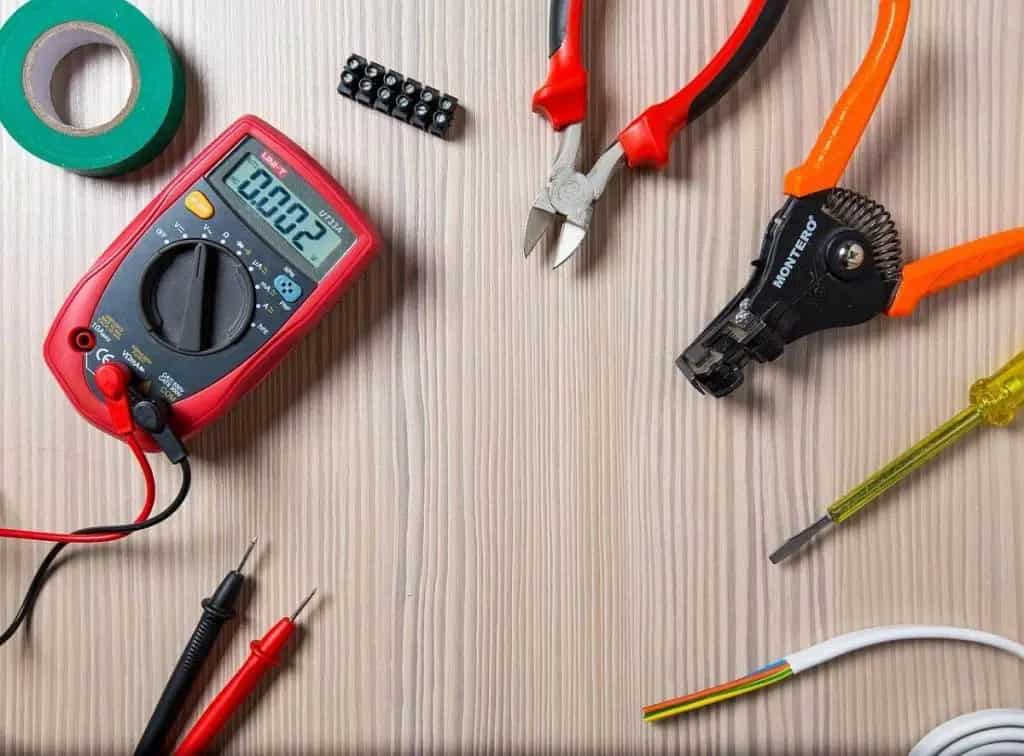
Selecting appropriate electrical tools is essential for completing DIY projects safely and efficiently. The right tools not only make your work easier but also significantly reduce the risk of accidents and injuries.
Understanding Your Project Scope
Before purchasing any tools, assess the type and complexity of electrical work you plan to undertake. Simple tasks like replacing outlets, switches, or light fixtures require basic hand tools, while more involved projects such as running new circuits or rewiring may require additional specialized equipment. Being honest about your skill level is critical—if a project seems beyond your capabilities, consulting a licensed electrician is the safer choice.
Essential Hand Tools for DIY Electrical Work
Screwdrivers and Nut Drivers
Insulated screwdrivers are fundamental to any electrical toolkit, featuring protective insulation rated for up to 1,000 volts. You’ll need both flathead and Phillips head varieties in multiple sizes. Nut drivers are equally important for tightening terminals and fixtures on panel boards and terminal strips. Always prioritize tools explicitly rated for electrical work, as standard tools don’t provide adequate protection against electrical shock.
Pliers
Three types of pliers are essential for electrical projects. Needle-nose pliers excel at bending and repositioning wires in tight spaces, particularly within junction boxes. Lineman’s pliers serve multiple functions including cutting, twisting, and gripping wires. Diagonal cutters or side cutters efficiently handle wire and small fastener cutting without straining your hands. Look for insulated models for enhanced safety.
Wire Strippers
Automatic wire strippers are highly recommended for clean, damage-free insulation removal. These tools feature adjustable gauges that accommodate various wire sizes. When using wire strippers, always match the tool to your wire gauge, apply consistent pressure, and pull steadily to avoid nicking the copper conductor beneath the insulation. Manual wire strippers with multiple notches also work well if you adjust the tension appropriately.
Safety and Testing Equipment
A voltage tester is arguably your most important safety tool. Non-contact voltage testers detect live wires without direct contact, allowing you to safely verify that circuits are de-energized before work begins. Always test wires before touching them—this single practice can prevent potentially fatal accidents.
A multimeter measures voltage, current, and resistance, making it invaluable for diagnosing electrical issues, testing outlets, and confirming circuit continuity. Digital multimeters with auto-ranging features are easier to use for beginners. Many reliable options cost between $13-30.
Additional Hand Tools
Utility knives are essential for cutting cable sheathing and insulation accurately. Fish tapes pull wires through conduits and walls for installations. Tape measures help with proper spacing and layout calculations. A flashlight or headlamp becomes crucial when working in poorly lit electrical panels or wall cavities. A torpedo level ensures outlets and switches are installed perfectly straight.
Selecting Power Tools
Cordless Drills
The cordless drill is the most versatile power tool for DIY electrical work. Choose a model based on voltage specifications: 12V drills are lightweight and sufficient for general tasks like hanging shelves and assembling furniture, while 18V or 20V models provide greater power for demanding projects involving masonry or metal. Look for features including adjustable torque, variable speed settings, multiple batteries, and a reliable charger. Most quality cordless drills for DIY work range from $50-150.
Power Source Considerations
Decide between corded and cordless models. Cordless tools offer superior mobility and convenience, making them ideal for most household projects. However, they have limited battery runtime, so having an extra charged battery available is practical. Corded tools provide continuous power but restrict movement due to cord length. Never use extension cords exceeding 100 feet with power tools.
Safety Considerations and Personal Protective Equipment
Before beginning any electrical work, implement critical safety measures. Always turn off the main power at the circuit breaker before touching any wires—never rely on switches alone, as they can malfunction. Test for voltage using your voltage tester before making contact with any conductor.
Wear appropriate protective equipment including rubber-soled shoes, insulated gloves, and safety glasses. Use ground fault circuit interrupters (GFCIs) with every power tool to protect against electric shocks. When cutting or drilling into walls, exercise extreme caution to avoid piercing hidden electrical wires or water pipes.
Never work on live wires, and keep all electrical tools and appliances away from water sources. Maintain proper technique when using wire strippers—over-stripping exposes excess bare wire, creating short circuit or shock hazards, while under-stripping prevents proper connections.
Budget-Friendly Starter Kits
For beginners working within budget constraints, consider comprehensive tool kits rather than purchasing individual items. Quality electric tool kits priced between $79-179 typically include a cordless drill, circular saw, reciprocating saw, and LED light—covering roughly 80% of typical DIY scenarios. The BLACK+DECKER 20V MAX kit starts around $89-99, while RYOBI ONE+ offers six tools for approximately $179, providing exceptional value at roughly $30 per tool. These budget options deliver reliable performance without compromising on quality for common household tasks.
Tool Selection Strategy
Start with essential hand tools before investing in power equipment. Your initial purchase should include insulated screwdrivers, pliers, wire strippers, a voltage tester, and a basic multimeter—together costing under $100. Once comfortable with fundamental electrical work, add power tools like a cordless drill as your projects become more ambitious.
When shopping, prioritize quality and safety features over brand prestige. Research tool reviews from reputable sources, pay attention to ratings and user experiences, and ensure all tools carry appropriate safety certifications for electrical work. Keep your tools well-maintained by storing them in dry locations, cleaning them regularly, and replacing worn or damaged items promptly.
Remember that having the right tools makes DIY electrical work safer, more efficient, and more enjoyable. However, professional assistance should never be considered an option—it’s an obligation when facing projects beyond your skill level or confidence zone.