LED lighting is the superior choice for most applications due to its exceptional energy efficiency, longer lifespan, lower operating costs, and reduced environmental impact. However, the answer depends on your specific use case, priorities, and preferences.
Energy Efficiency: A Clear LED Advantage
The most dramatic difference between LED and incandescent lighting lies in energy consumption. LEDs convert 80-90% of their energy into usable light, while incandescent bulbs waste 90% of their energy as heat—converting only 10% into actual illumination.
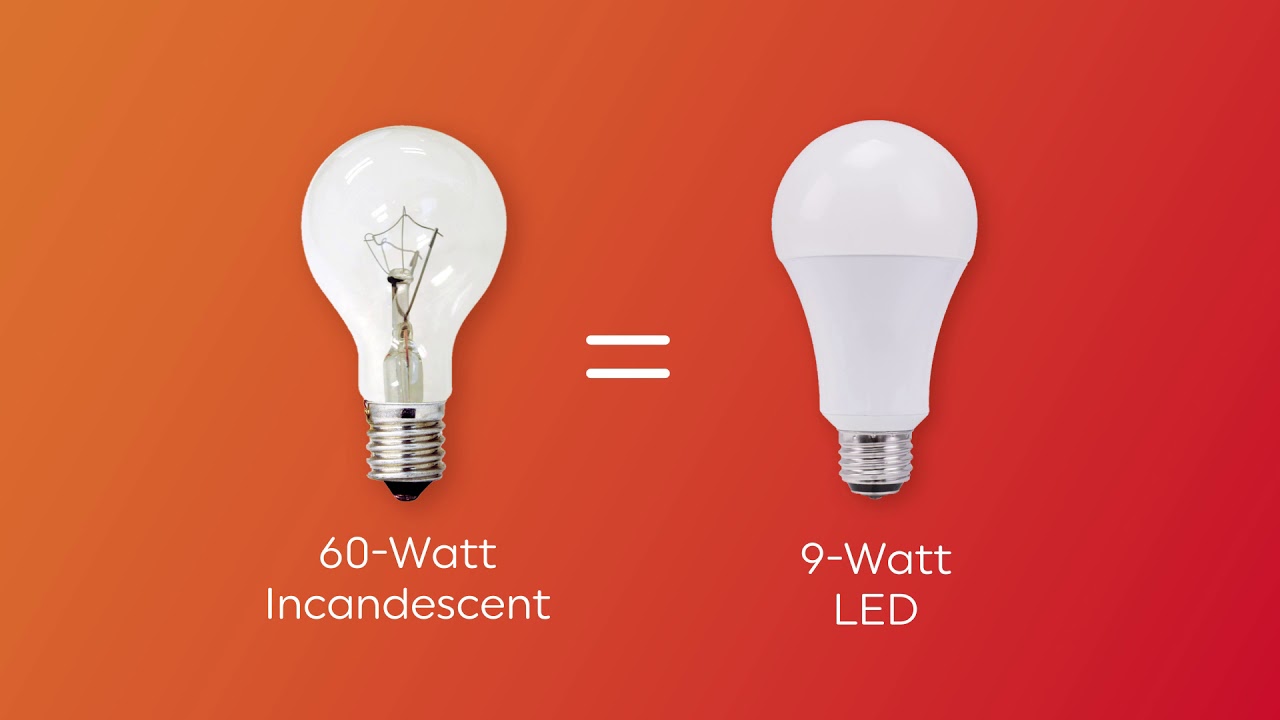
To produce equivalent brightness of 800 lumens, an incandescent bulb requires approximately 60 watts, while an LED achieves the same brightness with just 8-12 watts. This represents a 6 to 7-fold reduction in power consumption. In practical terms, an incandescent bulb providing 400-500 lumens costs approximately $1.54 per month to operate, compared to just $0.25 monthly for an equivalent LED—saving $1.29 per month per bulb.
Annual energy consumption differences are substantial. Using an incandescent bulb for 10 hours daily consumes approximately 219 kWh annually, costing around $29 based on average electricity rates, whereas an equivalent LED consumes only 36.5 kWh annually, costing roughly $4.75. Across a typical home with 40 bulbs, switching to LEDs can result in approximately $9,494 in lifetime savings per 25,000 hours of operation.
Lifespan and Replacement Costs
LED bulbs dramatically outlast incandescent bulbs, with lifespans reaching 25,000 to 50,000+ hours compared to the 750 to 1,000-hour average for incandescent bulbs. This represents 25 to 50 times longer operational life.
The practical implications are significant. Over the lifespan of a single LED bulb lasting 50,000 hours (approximately 17+ years with average residential use), you would need to replace an incandescent bulb roughly 50 times. At an average cost of $1.50 per incandescent bulb, this amounts to $75 in replacement costs alone, compared to approximately $10 for a single LED bulb.
When combining energy costs with replacement expenses, LED bulbs cost approximately $47.95 over 25,000 hours of operation, compared to $285.30 for incandescent bulbs—a savings of over $237 per bulb.
Environmental and Carbon Impact
LED technology provides substantial environmental benefits through reduced electricity consumption and extended product lifespan. Switching to an LED reduces carbon emissions by nearly 92% over 10,000 hours of operation. A single LED bulb consuming 8 watts produces approximately 48.05 kg of CO₂e emissions per 10,000 hours, while incandescent bulbs of equivalent brightness generate 557.55 kg of CO₂e emissions over the same period.
LEDs consume 87% less electricity than incandescent bulbs over their lifespan, dramatically reducing greenhouse gas emissions and minimizing environmental impact. The extended lifespan of LED bulbs means fewer replacements, reducing manufacturing waste, packaging materials, and transportation emissions associated with frequent replacements.
Additionally, LEDs contain no toxic mercury, unlike compact fluorescent lamps (CFLs), making disposal safer and more environmentally responsible. However, proper recycling of LED bulbs is important due to their electronic components and metals, which should not end up in general waste streams.
Heat Generation and Safety
Heat generation represents another significant advantage for LED technology. Incandescent bulbs reach dangerously high temperatures exceeding 250°F (120°C) or even 335°F (168°C) for 100-watt models. These extreme temperatures pose serious fire hazards, particularly when bulbs are placed near flammable materials, and create safety concerns for accidental contact.
In contrast, LED bulbs typically operate between 30°C to 50°C (86°F to 122°F)—cool enough to handle safely even while operating. This cooler operation makes LED bulbs safer for various applications, reduces fire risk, prevents damage to fixtures from excessive heat, and creates a more comfortable living and working environment.
Light Quality and Color Rendering
Both LED and incandescent bulbs offer distinct advantages in light quality. Incandescent bulbs produce a warm, yellowish glow with exceptional color rendering—achieving a perfect Color Rendering Index (CRI) of 100, the theoretical maximum. This warm light is particularly valued for creating cozy, intimate atmospheres in residential settings.
LED technology has evolved significantly, now offering a wide range of color temperatures from warm (2700K) to cool daylight (5000K+) with CRI values typically between 80-95, providing very good to excellent color rendering. Modern LEDs can closely replicate the warm aesthetic of incandescent lighting while offering superior versatility. LEDs provide more directed light output compared to incandescent bulbs’ omnidirectional emission, making them superior for task-specific lighting applications.
Initial Cost Considerations
The one clear advantage incandescent bulbs maintain is lower upfront purchase cost, typically under $1 compared to $2-$8 for LED bulbs. For budget-conscious consumers prioritizing immediate savings, this lower entry price remains appealing.
However, this advantage disappears quickly when calculating total cost of ownership. LED bulbs’ dramatic energy savings and extended lifespan eliminate the initial cost premium within 6-12 months for typical household use, after which all remaining operational costs heavily favor LEDs.
Specific Applications Where Incandescent Bulbs Excel
Despite LEDs’ overall superiority, incandescent bulbs remain preferable in specific applications:
Instant Illumination: Incandescent bulbs provide full brightness immediately upon activation without warm-up delay—beneficial in spaces like bathrooms and closets where instant light is frequently needed.
Mood and Ambient Lighting: The warm, natural glow of incandescent lighting creates intimate atmospheres difficult to replicate, remaining popular in restaurants, cafes, bedrooms, and dining areas despite higher operating costs.
Dimmer Compatibility: Incandescent bulbs work seamlessly with traditional dimmer switches, providing smooth gradual dimming transitions without compatibility issues sometimes encountered with older LED models.
Decorative and Stage Lighting: The specific color temperature and lighting effects achievable with incandescent bulbs maintain their value in theatrical applications and decorative lighting designs.
Brightness and Efficiency Metrics
Modern LED efficiency dramatically exceeds incandescent technology across all brightness levels. For 450 lumens of output, LEDs require 4-5 watts compared to 40 watts for incandescent. For standard 800 lumens brightness, LEDs consume 6-8 watts versus 60 watts for incandescent. For brighter 1100-1300 lumens applications, LEDs use 9-13 watts compared to 75-100 watts for incandescent.
LED bulbs achieve efficiency levels of 90-210+ lumens per watt compared to incandescent bulbs’ 10-20 lumens per watt—representing a 10-fold or greater efficiency advantage.
The Bottom Line
LED lights represent the superior choice for the vast majority of residential and commercial applications. They deliver exceptional energy savings, dramatically reduce operating costs, last 25-50 times longer, generate minimal heat, and provide strong environmental benefits through reduced carbon emissions and waste. The initial cost premium pays for itself within months through energy savings alone.
Choose LED lighting for your primary lighting needs, focusing on warm color temperatures (2700K) if you prefer the aesthetic of traditional incandescent lighting. Reserve incandescent bulbs for specialized applications where their specific characteristics—such as instant brightness, exceptional color rendering, or perfect dimmer compatibility—provide clear advantages that outweigh their significant operational drawbacks. The future of efficient, sustainable lighting clearly belongs to LED technology.